Call us: 303-527-0856
Toll Free USA 877-322-7423, Local 303-527-0856
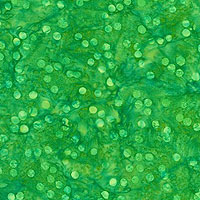
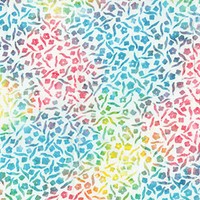
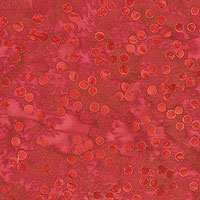
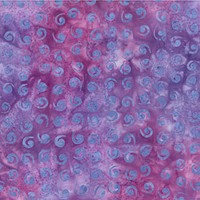
How Batik Fabric Is Made: Wax-Resist Dyeing Explained
What is batik? Batik is a way of dyeing cloth by hand using wax to block the dye. Artisans draw or stamp melted wax onto cotton or silk, dip the cloth in dye baths that get darker each round, and then boil the wax away. The result is fabric with deep color on both sides and a crackled texture, so no two yards are exactly alike.
Screen and digital printing put color on top of the cloth. Batik works in reverse. The artisan builds the design from the lightest color to the darkest, protecting each color with wax before the next dye bath. A single piece can take days, weeks or even months.
1. Preparing the fabric. Batik starts with fine natural fiber, usually high-grade cotton (such as primissima) or silk. The cloth is washed, boiled and beaten to strip out natural oils and starches, so the dye soaks in evenly and the wax sticks cleanly.
2. Applying the wax. Artisans melt a blend of beeswax, which is flexible and sticks well, and paraffin, which is brittle and cracks on purpose. They apply it one of two ways:
Wherever the wax lands, it seals the fibers and keeps them the color they are now.
3. Dyeing. The cloth goes into a cool dye bath, since hot water would melt the wax. The wax repels the dye, so color only takes on the bare fabric. The cloth is then dried, often in the sun, to set the color.
4. Repeating the layers. For each new color, the artisan waxes over the areas that should stay the current color, then dyes the cloth again in a darker shade. Complex designs can go through many rounds of waxing and dyeing.
5. Removing the wax. Finally, the fabric goes into boiling water. The wax melts off and floats to the top, where it's collected to use again, and the finished layered design shows through.
Batik depends on the artisan's hand, the weather and careful control of wax temperature. Machines can't reproduce the process, and that's what gives it its character.
What's the difference between batik tulis and batik cap?
Batik tulis is drawn by hand with a canting, so the lines vary and it takes much longer. Batik cap is stamped with a copper block, which lets artisans repeat a pattern across a lot of yardage. Most batik quilting cottons are made with cap stamps.
Why does batik fabric have crackle lines?
The paraffin in the wax is brittle. It cracks as the fabric is handled, and dye fills the cracks, leaving fine veins that are unique to each piece.
Is batik fabric the same on both sides?
Nearly. The dye goes all the way through the fibers, so both sides show rich color. That's handy for quilting and appliqué.
How long does it take to make batik?
Stamped batik can be finished in days. Complex hand-drawn batik tulis can take weeks to several months.
Why do quilters love batik?
Batiks are usually made on a tightly woven, high-quality cotton base. They have deep, saturated color and a hand-made look that adds texture and movement to a quilt.